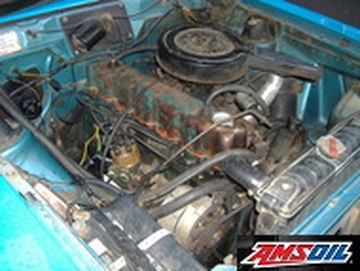
Engine Lubrication and Maintenance for the 1981 Jeep CJ-7 4.2L
Maintaining a vehicle like the 1981 Jeep CJ-7 requires a proactive approach to mechanical care, particularly regarding the lubrication systems that support the 4.2L engine. Because these vehicles are often subject to varying operating environments and may have undergone various stages of ownership, consistent monitoring is essential for long-term engine health.
Monitoring Fluid Integrity and Potential Leaks
One of the most effective ways to monitor the condition of a 4.2L engine is through regular visual inspections of the engine bay and the ground beneath the vehicle. Over time, various components can experience changes in their ability to contain fluids. When performing routine checks, look for signs of seepage or active leaks around sealing surfaces. It is helpful to inspect the area where the engine meets the transmission and around the lower portions of the engine block.
If you notice fluid accumulating on the underside of the engine or observe fresh spots on your driveway, these are indicators that warrant further investigation. Such signs can be associated with aging gaskets or seals that may no longer provide a perfect barrier. Rather than assuming a specific component has failed, use these observations to guide a more detailed inspection of all accessible connections and sealing areas.
Observing Changes in Engine Performance
Beyond visual inspections for leaks, an owner should remain attentive to how the engine behaves during operation. Changes in mechanical sounds or changes in how the vehicle responds to throttle input can sometimes be linked to lubrication issues. For instance, if you notice unusual noises that were not previously present, it may indicate that the lubrication levels are low or that the lubricant itself has lost some of its effectiveness.
It is also important to monitor for any changes in exhaust characteristics. While many factors can influence exhaust appearance, certain observations might suggest that engine oil is interacting with other internal processes. If you notice anything unusual, such as a change in smoke color or an unexpected odor, these symptoms should be investigated promptly. Remember that a single symptom can have multiple underlying causes, so professional diagnosis is often necessary to pinpoint the exact source of a change in behavior.
Managing Maintenance Records and History
For owners of a 1981 Jeep CJ-7, establishing a clear maintenance baseline is one of the most valuable steps toward responsible ownership. If you have recently acquired the vehicle, there may be uncertainty regarding how much care it has received in the past. In these cases, reviewing any available service receipts or logs can provide insight into whether previous owners followed consistent lubrication and filtration schedules.
If no records are available, your first priority should be to document every service performed from this point forward. Keeping a detailed log of oil changes, filter replacements, and any repairs made to the engine helps you identify patterns over time. This documentation makes it easier to distinguish between normal aging and actual mechanical issues. For example, knowing exactly when the last lubrication service occurred allows you to make more informed decisions about when the next service is due based on your specific usage.
Prioritizing Service Tasks as the Vehicle Ages
As a vehicle reaches a certain age, maintenance priorities often shift from simple routine tasks to more comprehensive condition-based monitoring. Rather than following a generic schedule that assumes every part is in perfect condition, focus on the actual state of the components on your specific 4.2L engine. This means prioritizing repairs or replacements based on what you see during inspections.
If you identify an active leak or notice that certain rubber components, such as hoses (if present), are showing signs of deterioration, these should be addressed before moving on to other preventive tasks. Similarly, if the lubrication appears significantly darker or more contaminated than usual during a check, it may indicate a need for more frequent service intervals. By addressing active concerns first and using your maintenance records to guide your decisions, you can manage the upkeep of the vehicle in a way that is both practical and cost-effective.
General Engine Bay Inspection Points
When performing a routine check under the hood, it is beneficial to look at several key areas to ensure everything is in good order. While you are checking the oil level, take a moment to observe other related components:
- Electrical Connections: Inspect visible wiring and connectors for signs of fraying, corrosion, or loose seating.
- Drive Belts: If equipped, examine accessible drive belts for any evidence of cracking, glazing, or fraying.
- Cooling System Components: If present, check hoses and connections for signs of hardening, bulging, or leaks.
- Air Filtration: Ensure the air intake system is clear of debris and that the filtration element is clean to prevent contaminants from entering the engine.
A systematic approach to these inspections ensures that you are not just looking at the oil, but also at the environment in which the engine operates.
Buying Engine Oil for your 1981 Jeep CJ-7 4.2L
When it is time to replenish your engine's lubrication, the most important step is to ensure that the product you select matches the specific requirements of your application. To avoid errors, always match the engine oil to the application-specific viscosity information already displayed on this webpage.
As you shop for lubricants, consider the following practical tips:
- Verify Product Labels: Always double-check the label on the bottle to ensure the SAE viscosity and API service classifications align with the information provided in your vehicle's documentation.
- Evaluate Formulations: Depending on your engine's current condition, you may choose between conventional oil, synthetic blends, or full synthetic options. Some high-mileage oil formulations contain additives intended for use in aging engines, including seal-conditioning additives, which some owners find useful for older applications.
- Check Certification: Ensure the oil carries the appropriate modern API certification to guarantee it meets current standards for engine protection and deposit control.
By following the specific guidance provided on this page regarding viscosity and application, you can select a lubricant that is appropriate for your 1981 Jeep CJ-7 4.2L.